Prices Incl. VAT
Yes
No
Step-by-Step Gutter Installation Advice for FloPlast Half Round Rainwater Systems
Installing PVC guttering and downpipes correctly is essential for protecting your home from rainwater damage and ensuring effective drainage from your roof. Whether you're replacing damaged guttering, upgrading an existing rainwater system or carrying out a new installation, understanding the correct fitting methods can help achieve a secure, reliable and long-lasting result.
In this FloPlast rainwater system installation guide, discover the key stages involved in fitting PVC gutters, brackets, running outlets, unions and downpipes. The accompanying installation video demonstrates the fitting of FloPlast Black Half Round Guttering, with many of the general principles also applying to other compatible PVC rainwater systems.
At Brissco, we supply a comprehensive range of FloPlast guttering and downpipe products, including Half Round, Square Line, Deepflow, Miniflo and Niagara Ogee systems, along with the fittings and accessories needed to complete your installation.
Watch the FloPlast Rainwater System Installation Video
Watch the FloPlast installation demonstration to see how a PVC Half Round guttering system is assembled and fitted, including the positioning of gutter brackets, connecting gutter sections and installing the downpipe system.
The video provides a useful visual guide for homeowners, DIY installers and trade professionals. Always refer to the latest FloPlast installation instructions for the specific gutter profile and fittings being used.
What Do You Need to Install PVC Guttering?
Before starting your installation, measure the roofline and plan the position of your gutter outlets and downpipes. Selecting compatible components is important for ensuring a secure, watertight rainwater system.
Essential Guttering Components
PVC Gutter Lengths: Collect and channel rainwater from the roof towards the outlets.
Fascia Brackets: Support the guttering at the correct height and fall along the roofline.
Gutter Unions & Angles: Connect gutter sections and allow the system to follow changes in roofline direction.
Running Outlets & Stop Ends: Direct rainwater into the downpipes and seal the ends of gutter runs.
Downpipes, Bends & Pipe Clips: Carry rainwater safely from the gutter outlet to a suitable drainage point.
You will also need suitable fixings, measuring equipment, a spirit level, a string line and appropriate cutting tools. Always use components designed for your chosen gutter profile and follow the manufacturer's fitting recommendations.
How to Install PVC Guttering – Step-by-Step Guide
Step 1: Measure and Plan Your Guttering System
Begin by measuring the length of the roofline and identifying suitable positions for the downpipes and running outlets.
Consider the roof area, expected rainfall and the capacity of your chosen guttering system. Larger roofs or areas exposed to heavy rainfall may require higher-capacity guttering or additional outlets.
Plan the position of unions, angles, stop ends and brackets before cutting or installing any gutter lengths.
Step 2: Position the Gutter Brackets
Gutter brackets support the guttering and help maintain the correct alignment and fall towards the running outlet.
Start by establishing the gutter position beneath the roof edge, ensuring rainwater can enter the gutter effectively. Mark the required fall towards the outlet and use a string line to guide bracket positioning.
Fit brackets securely to a sound fascia or other manufacturer-approved fixing surface, following FloPlast's recommended bracket spacing and fixing requirements for the selected system.
Step 3: Install the Running Outlet
The running outlet connects the guttering to the downpipe and provides the main drainage point for rainwater collected along the gutter run.
Position the outlet at the planned drainage location, ensuring it is securely fixed and aligned with the downpipe route.
Check that the outlet is compatible with your chosen gutter profile and that any integral seals are correctly positioned.
Step 4: Fit the Gutter Lengths and Unions
Measure and cut the PVC gutter lengths as required, ensuring the cut ends are square and free from burrs.
Fit the guttering into the fascia brackets and connect adjoining sections using compatible gutter unions. Ensure each gutter section is correctly seated and that the rubber seals remain clean and undamaged.
Allow for thermal expansion and contraction by following the manufacturer's insertion marks and fitting instructions. Do not glue standard rubber-sealed gutter joints unless the manufacturer specifically requires it.
Step 5: Fit Gutter Angles and Stop Ends
Where the roofline changes direction, install the appropriate internal or external gutter angles to maintain a continuous rainwater channel.
Fit compatible stop ends at the ends of the gutter run, checking that the seals are correctly seated to help prevent leaks.
Make sure all fittings are securely supported and correctly aligned.
Step 6: Install the Downpipes and Bends
Connect the downpipe system to the running outlet using compatible bends and pipe sections where necessary.
Position the downpipe vertically against the wall and secure it using suitable pipe clips and fixings at the manufacturer's recommended intervals.
Ensure the downpipe discharges into an appropriate surface water drainage system, gully or other approved rainwater collection arrangement.
Step 7: Check the Installation and Test Water Flow
Once the guttering and downpipes are installed, inspect all brackets, unions, outlets, stop ends and pipe connections.
Check that the guttering follows the intended fall and that all components are correctly seated.
Where safe and practical, test the system with water to confirm that rainwater flows towards the outlet without excessive standing water, leaks or overflowing joints.
Choosing the Right FloPlast Guttering System
FloPlast manufactures several PVC rainwater systems designed for different roof sizes, building styles and drainage requirements.
FloPlast Half Round Guttering
FloPlast 112mm Half Round Guttering is a popular choice for domestic properties, offering a traditional rounded profile suitable for many standard roof drainage applications.
FloPlast Square Line Guttering
Square Line Guttering provides a clean, angular appearance that complements modern and contemporary buildings. Its distinctive profile makes it a practical alternative to traditional Half Round systems.
FloPlast Deepflow Guttering
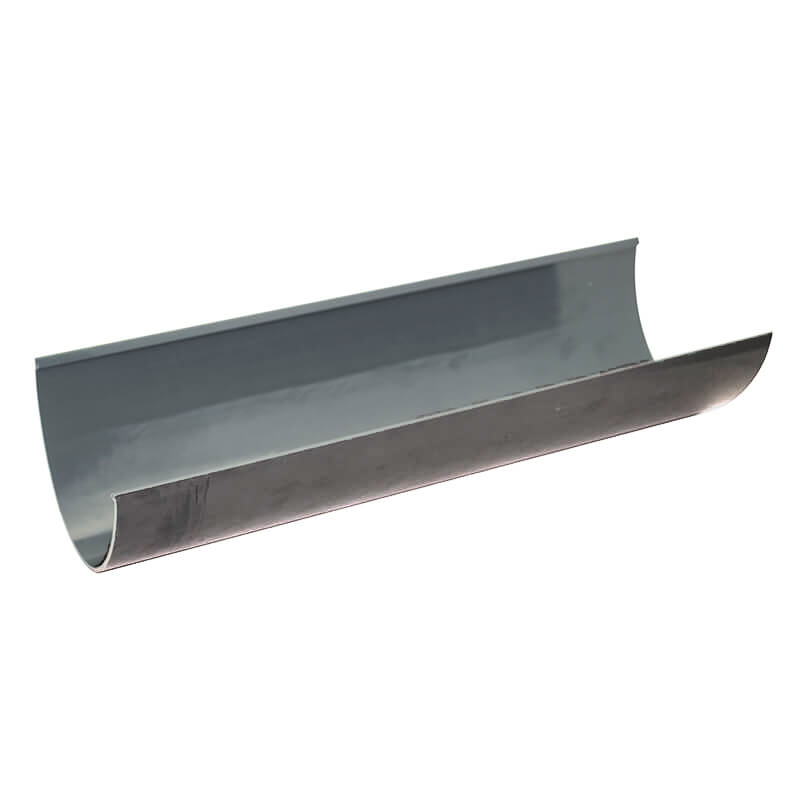
FloPlast 115mm Deepflow Guttering is designed to provide increased rainwater capacity compared with standard Half Round guttering, making it suitable for applications where additional drainage performance is required.
FloPlast Miniflo Guttering
FloPlast Miniflo offers a compact guttering profile suitable for smaller roof areas, including certain sheds, garages, outbuildings and garden structures.
FloPlast Niagara Ogee Guttering
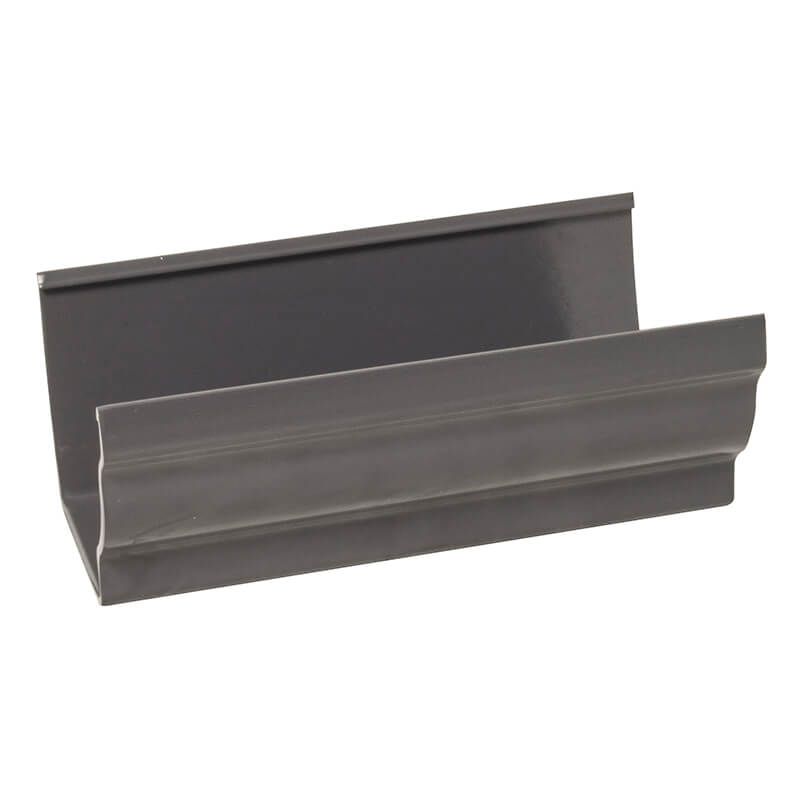
FloPlast Niagara Ogee Guttering combines a decorative profile with practical rainwater drainage performance, making it an attractive option for both traditional and contemporary properties.
The correct system should be selected according to roof area, rainfall intensity, outlet capacity and the manufacturer's drainage guidance.
Common PVC Guttering Installation Mistakes to Avoid
Incorrect installation can lead to leaks, overflowing gutters, sagging sections and unnecessary maintenance.
Common mistakes include:
Incorrect Gutter Fall: Poor alignment can prevent rainwater from flowing effectively towards the outlet.
Insufficient Bracket Support: Incorrect bracket spacing can allow gutter sections to sag or move.
Mixing Incompatible Components: Different gutter profiles and manufacturers' fittings may not connect or seal correctly.
Ignoring Thermal Movement: PVC guttering expands and contracts with temperature changes, so the correct fitting allowances are essential.
Incorrect Downpipe Positioning: Poorly positioned downpipes can restrict drainage or direct rainwater towards unsuitable discharge points.
Following the manufacturer's installation guidance helps prevent these problems and supports long-term system performance.
Maintaining Your PVC Guttering After Installation
Once your guttering system is installed, regular maintenance will help keep rainwater flowing freely.
Inspect gutters and downpipes periodically, particularly during autumn and after severe weather. Remove leaves, moss and other debris that could restrict drainage, and check for loose brackets, damaged seals or leaking joints.
For properties surrounded by trees, installing compatible gutter guards or leaf protection accessories can help reduce the accumulation of larger debris.
Always take appropriate precautions when working at height. If safe access cannot be achieved, use a suitably qualified professional.
Frequently Asked Questions About Installing PVC Guttering
How much fall should PVC guttering have?
The required fall depends on the guttering system and the manufacturer's installation guidance. A commonly used reference is approximately 1:600, equivalent to around 1.7mm per metre, but some systems and installations have different requirements. Always follow the latest FloPlast instructions for your chosen profile.
How far apart should gutter brackets be fitted?
Bracket spacing depends on the gutter profile, fixing surface and manufacturer recommendations. Many domestic PVC systems use a maximum spacing of approximately 1 metre, but additional support may be required near outlets, angles and unions. Check the specific FloPlast installation instructions before fitting.
Can I install PVC guttering myself?
PVC guttering can be installed by competent DIY users with the correct tools and installation guidance. However, working at roof level involves significant risks, and professional installation is recommended where safe access, suitable equipment or experience is lacking.
Do PVC gutter joints need silicone or glue?
Standard PVC guttering systems commonly use rubber-sealed unions and fittings that allow for thermal movement. These joints should not normally require silicone or adhesive. Always follow the manufacturer's instructions and avoid applying sealants that could interfere with the joint design.
Can different types of FloPlast guttering be connected together?
Different FloPlast gutter profiles are not necessarily interchangeable. Where a change of profile is required, use an approved adaptor or compatible transition fitting if available. Always check product compatibility before installation.
How long does PVC guttering last?
Quality PVC guttering can provide many years of service when correctly installed and maintained. Its lifespan depends on environmental conditions, installation quality, exposure and ongoing maintenance.
What size guttering do I need for my house?
The correct gutter size depends on the effective roof area, roof design, rainfall intensity and number of outlets. Standard 112mm Half Round guttering is suitable for many domestic applications, while larger roofs may require a higher-capacity system such as Deepflow. Consult FloPlast's capacity guidance before selecting a system.
Shop FloPlast Guttering & Downpipes at Brissco
At Brissco, we supply a wide selection of FloPlast PVC guttering, downpipes, fittings and accessories for new installations, replacements and property maintenance.
Explore our Half Round, Square Line, Deepflow, Miniflo and Niagara Ogee guttering ranges to find compatible products for your project.
Whether you're replacing a single gutter fitting or installing a complete rainwater system, our team can help you identify the products required for your installation.
Browse our Guttering & Downpipe range online or contact Brissco for product advice and assistance.
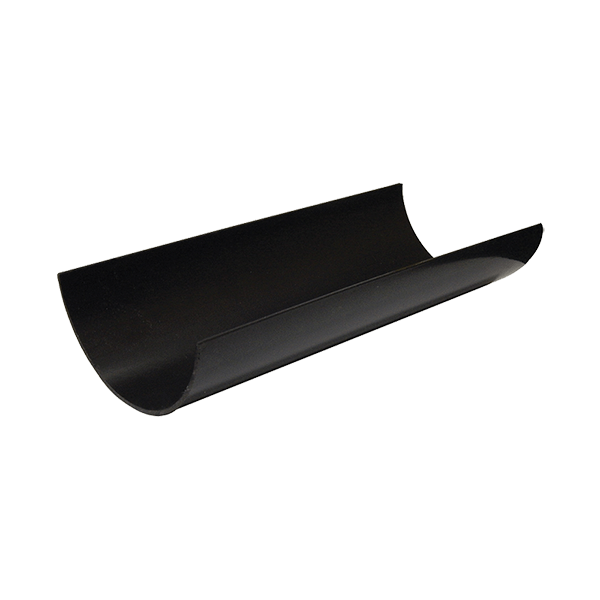
112mm FloPlast Black Half Round Gutter 4m
Lead Time - In Stock
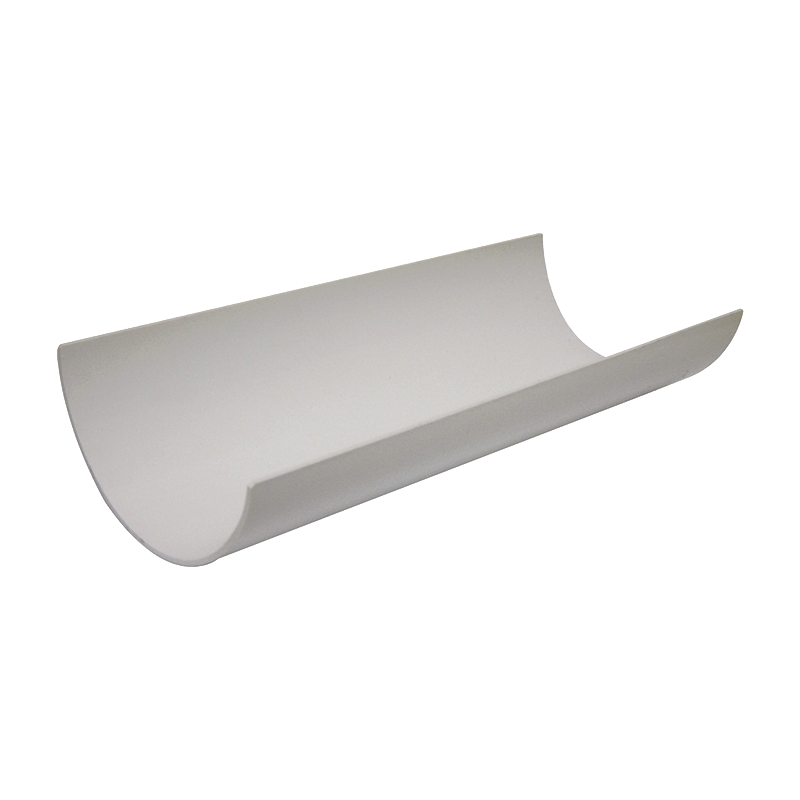
112mm FloPlast Half Round White Gutter 4m
Lead Time - In Stock
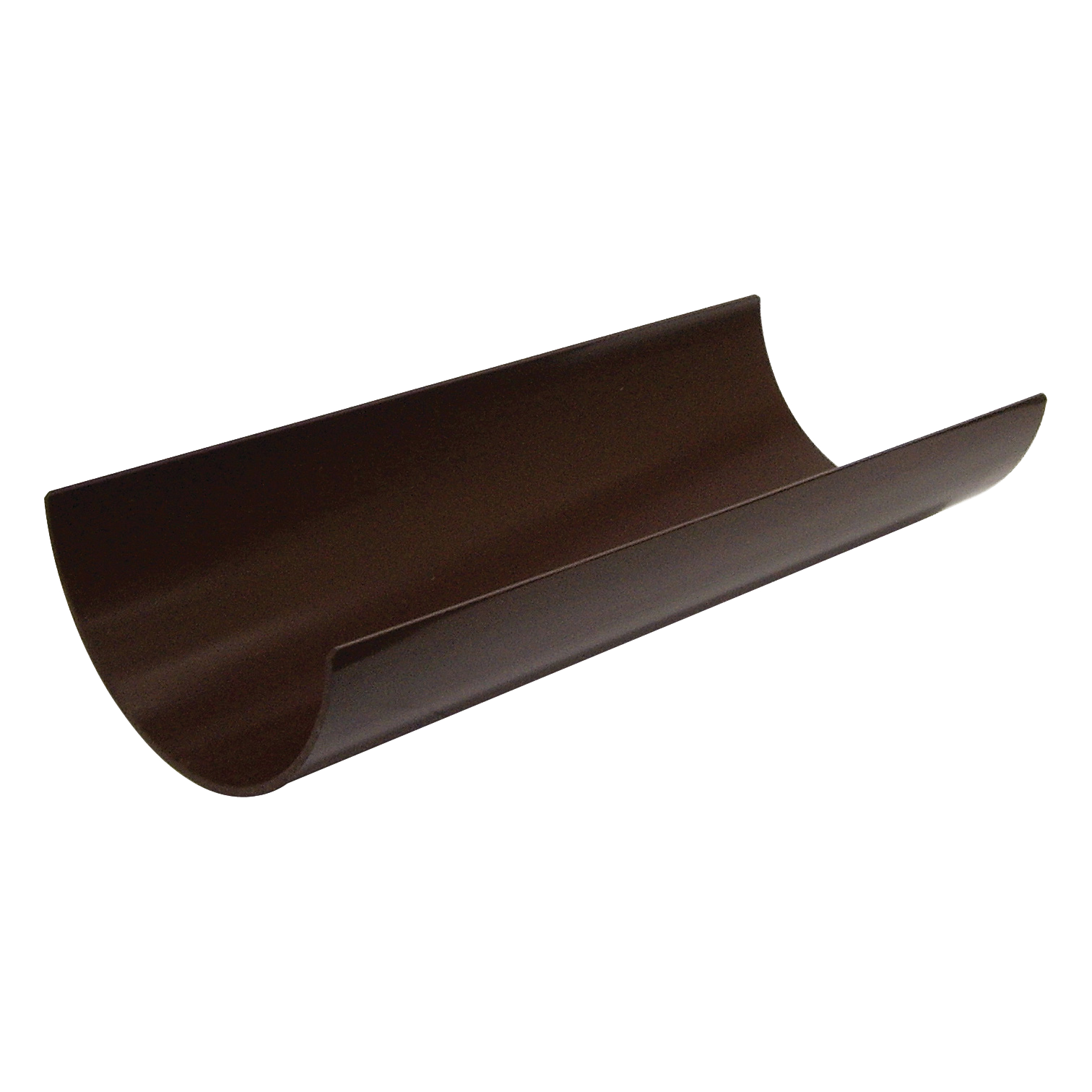
112mm FloPlast Half Round Brown Gutter 4m
Lead Time - In Stock
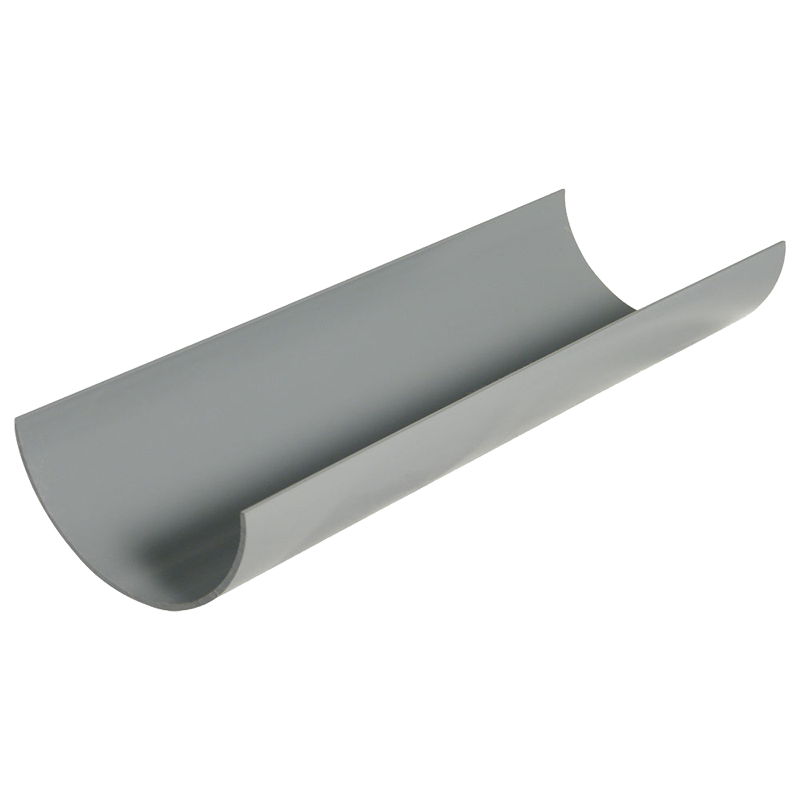
112mm FloPlast Half Round Grey Gutter 4m
Lead Time - In Stock
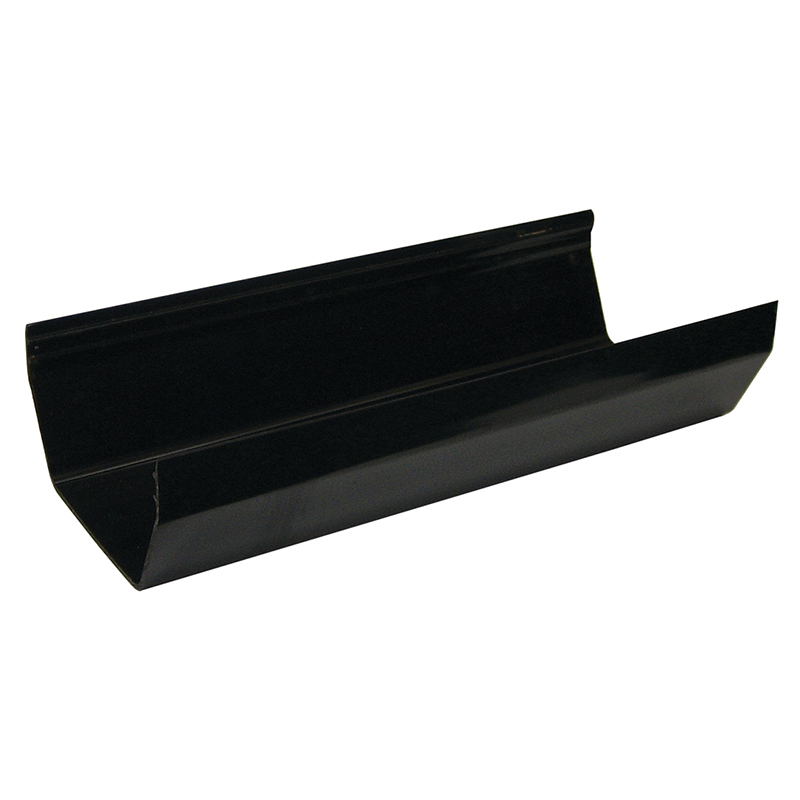
114mm FloPlast Black Square Gutter 4m
Lead Time - In Stock
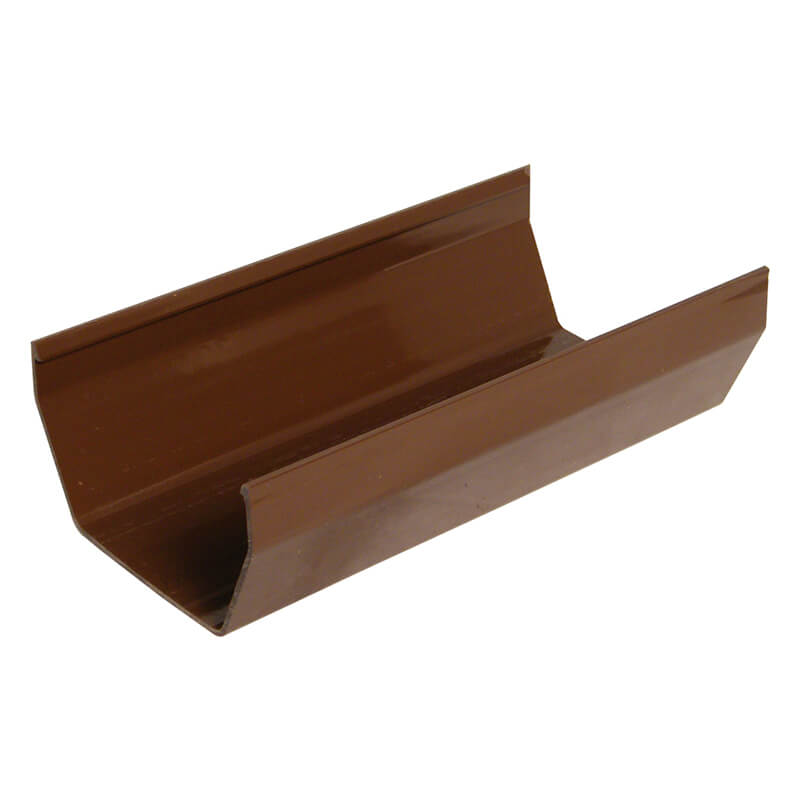
114mm FloPlast Brown Square Gutter 4m
Lead Time - In Stock
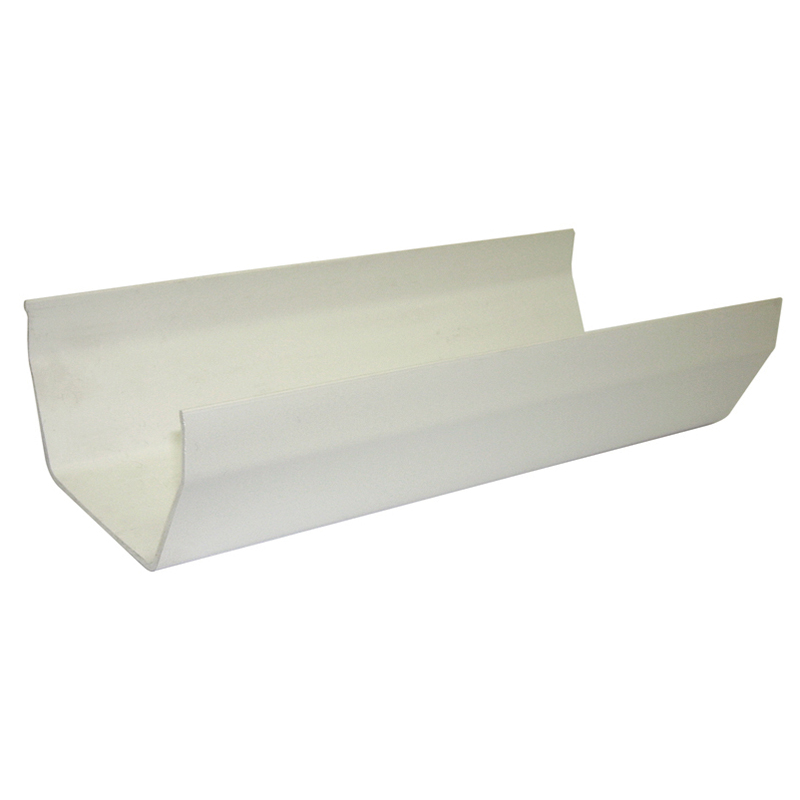
114mm FloPlast White Square Gutter 4m
Lead Time - In Stock
Need to see it before you buy? We offer samples of our uPVC building products to help you choose the perfect fit. Simply get in touch through our contact page, and we’ll be happy to assist!

We use cookies on this site to enhance your user experience. For a complete overview of all cookies used, please see our Privacy Policy