Prices Incl. VAT
Yes
No
A Practical Guide to Cast Acrylic for Signage, Shopfitting & Commercial Fabrication
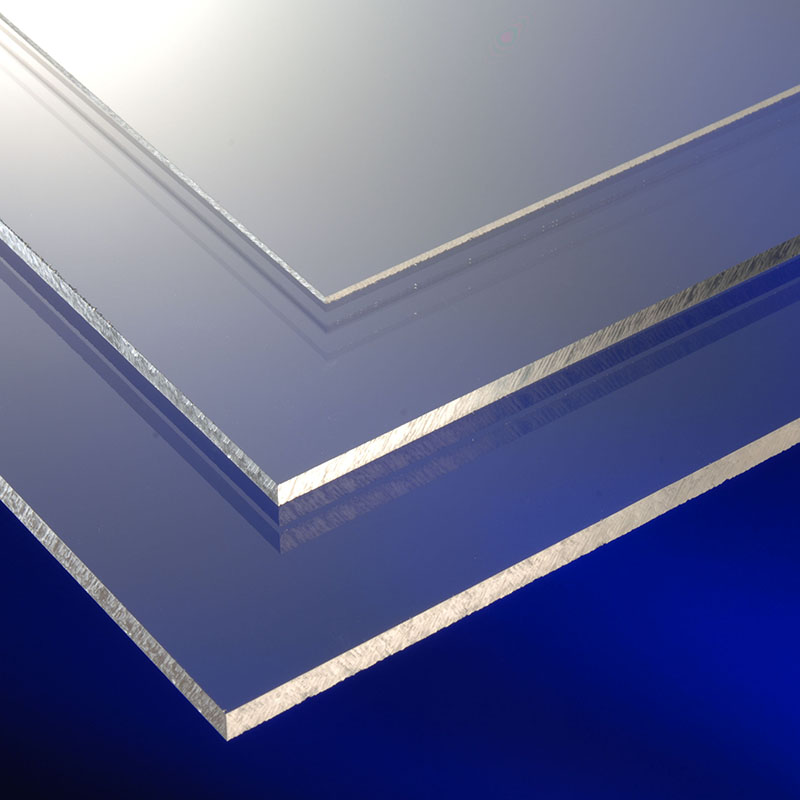
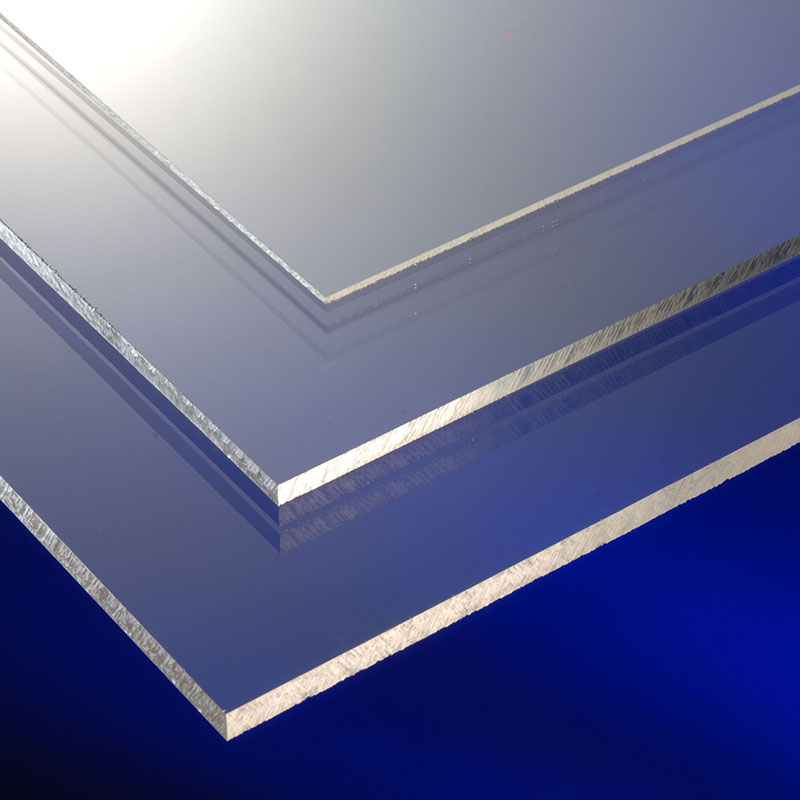
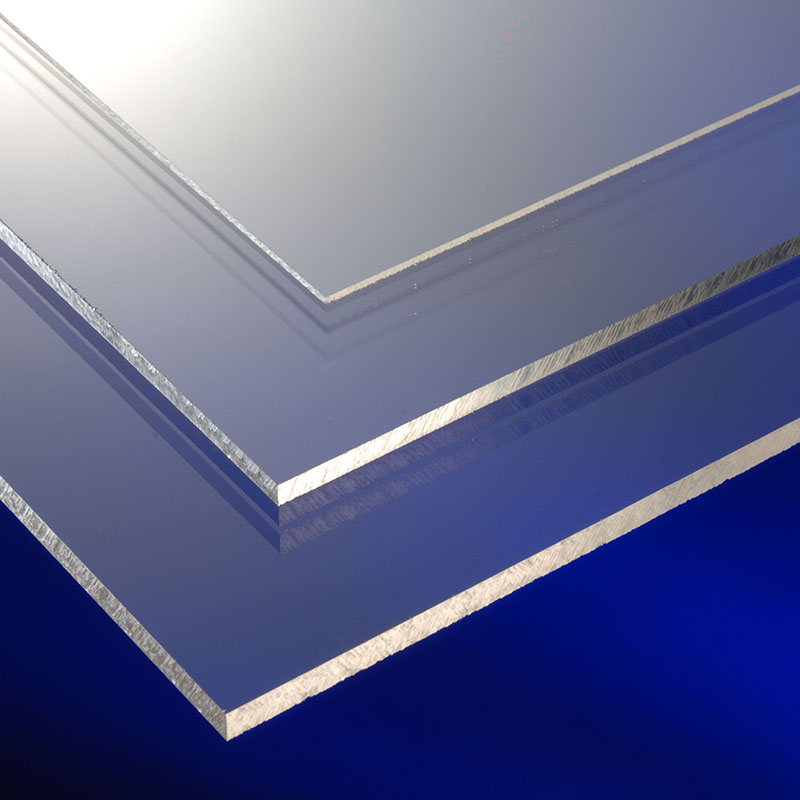
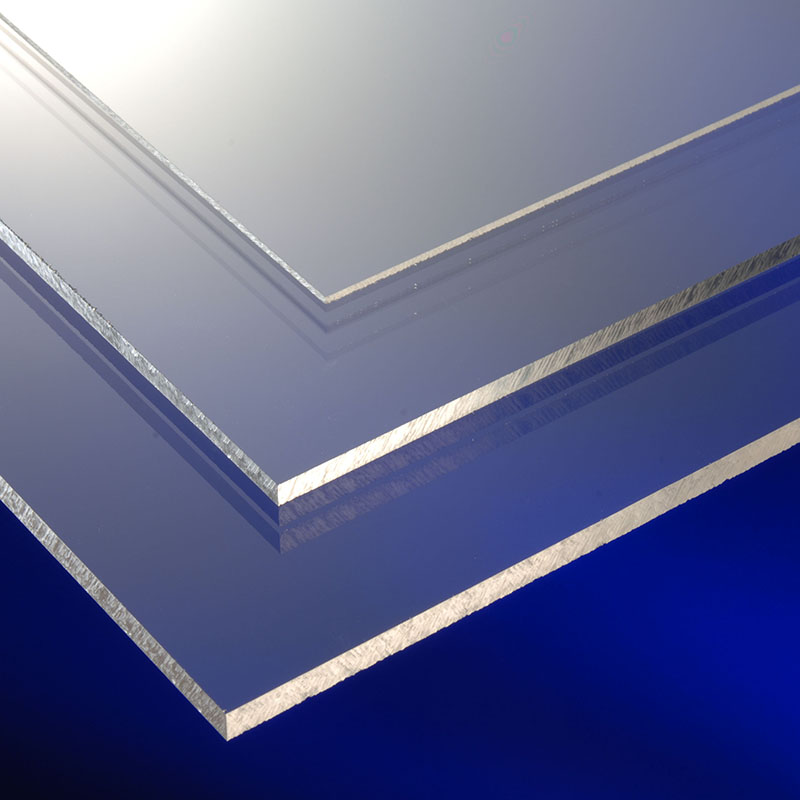
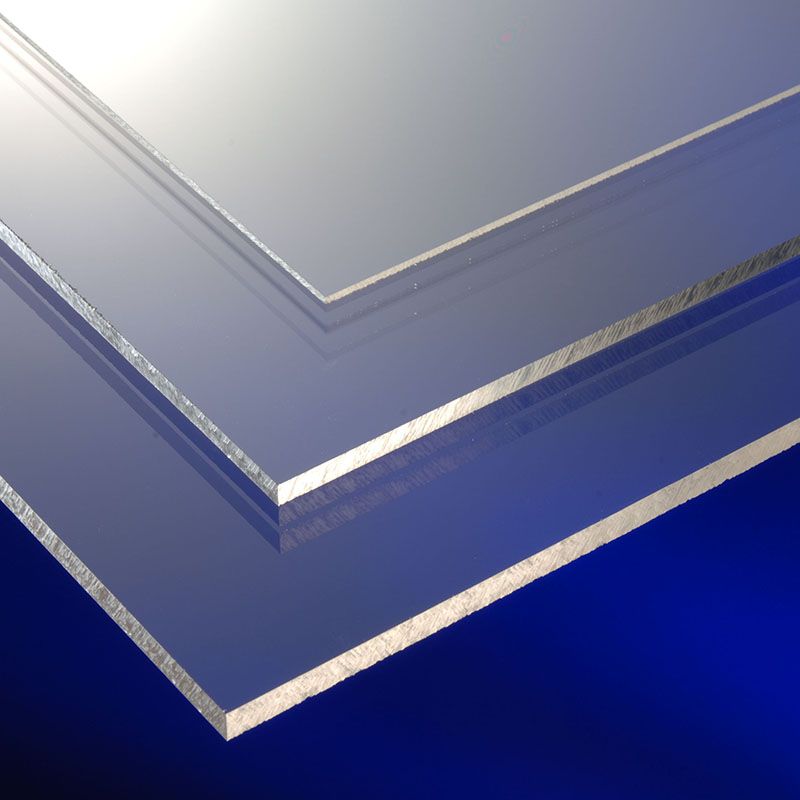
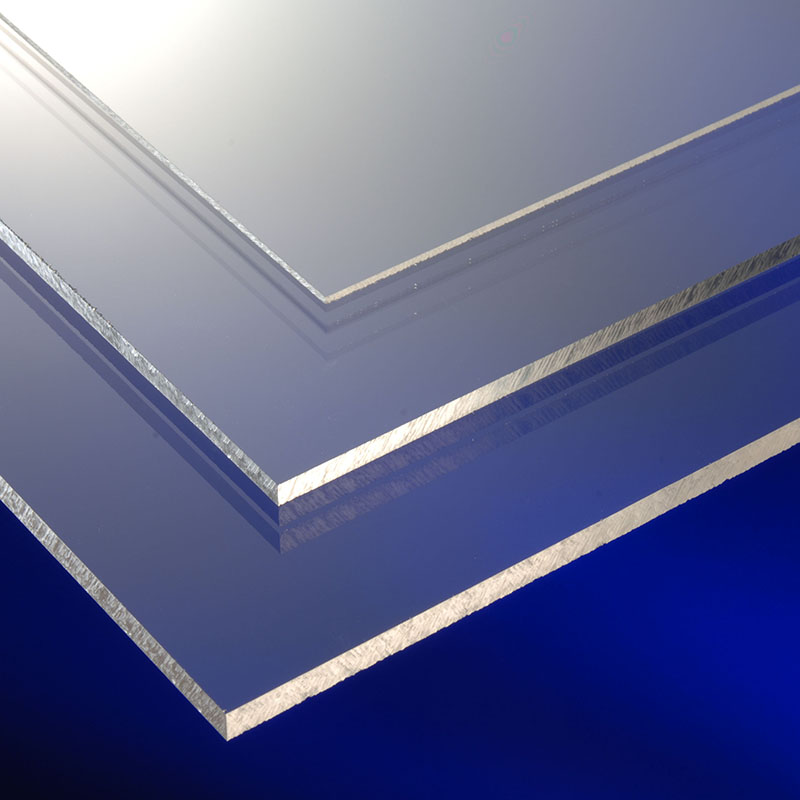
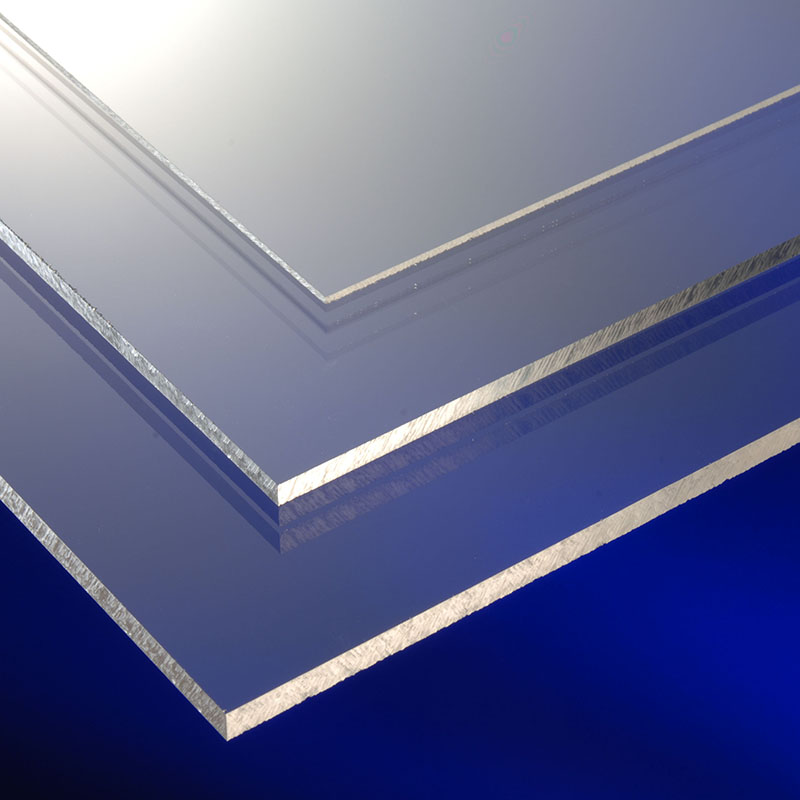
Cast acrylic sheet, also known as PMMA, is a versatile plastic material widely used in commercial signage, retail displays, shopfitting, exhibition stands and architectural features.
Its excellent optical clarity, attractive appearance and suitability for fabrication make it a popular alternative to glass and other sheet plastics.
Here are ten frequently asked questions to help businesses choose the right cast acrylic sheet for their projects.
1. What Are the Advantages of Cast Acrylic Compared with Glass?
Cast acrylic offers excellent transparency while weighing approximately half as much as glass. It is easier to machine and fabricate, and has better impact resistance than ordinary glass.
However, acrylic scratches more easily than glass and is not as impact-resistant as polycarbonate.
2. What Commercial Applications Is Cast Acrylic Suitable For?
Cast acrylic is commonly used for:
Commercial signage and illuminated signs
Retail displays and point-of-sale stands
Shopfitting and exhibition displays
Protective screens and partitions
Decorative panels, furniture and lighting features
Its combination of clarity, colour options and fabrication versatility makes it suitable for a wide range of indoor and outdoor projects.
3. What Thickness of Cast Acrylic Should I Choose?
Cast acrylic sheet is available in a range of thicknesses, with common options including 2mm, 3mm, 4mm, 5mm, 6mm, 8mm and 10mm, alongside thicker specialist sheets.
Thinner sheets are often suitable for signs and displays, while thicker sheets may be required for larger panels or applications needing greater rigidity.
The correct thickness depends on panel dimensions, fixing methods, loads and installation conditions.
4. What Is the Difference Between Cast and Extruded Acrylic?
Cast acrylic is manufactured by polymerising acrylic material between mould surfaces, while extruded acrylic is produced through a continuous extrusion process.
Cast acrylic is often preferred for detailed engraving, machining and specialist fabrication. Extruded acrylic can offer tighter thickness consistency and may be more economical for high-volume applications.
The best choice depends on the manufacturing process, finish and project budget.
5. Can Cast Acrylic Be Laser Cut, CNC Machined and Polished?
Yes. Cast acrylic is suitable for laser cutting, CNC routing, drilling, engraving and edge polishing.
Laser cutting can produce clean, polished-looking edges, while CNC machining allows more complex shapes and precision components.
Correct tooling, machining settings and stress management are important to prevent cracking or crazing.
6. Is Cast Acrylic Suitable for Outdoor Use?
Many standard grades of cast acrylic offer excellent resistance to ultraviolet light and weathering, making them suitable for external signage and outdoor displays.
For long-term outdoor installations, choose an appropriate UV-stable grade and allow for thermal expansion during fitting.
7. Is Cast Acrylic Resistant to Cleaning Chemicals?
Cast acrylic resists many everyday cleaning conditions but can be damaged by certain solvents and aggressive chemicals.
Use a soft cloth with mild soapy water or a cleaner specifically approved for acrylic.
Avoid acetone, strong solvents and abrasive cleaning products, which may cause surface damage or stress cracking.
8. Is Cast Acrylic Fire Rated for Commercial Buildings?
Cast acrylic is a combustible thermoplastic, and its fire performance varies depending on the product grade and thickness.
For commercial buildings, public spaces and regulated installations, always check the manufacturer's fire classification and relevant project requirements.
Do not assume that standard cast acrylic meets a particular building fire rating without supporting certification.
9. Can Cast Acrylic Be Bent, Bonded and Thermoformed?
Yes. Cast acrylic can be thermoformed into curved or shaped components and bonded using suitable acrylic adhesives.
This makes it useful for retail displays, exhibition stands, illuminated signage and bespoke fabricated products.
Correct heating, cooling and bonding techniques are important to achieve a high-quality finish.
10. Can Cast Acrylic Be Supplied in Full Sheets or Cut to Size?
Cast acrylic is available in full sheets and can be cut into smaller panels for commercial projects.
Businesses should consider sheet size, thickness, colour, quantity, cutting requirements and delivery arrangements when ordering.
For larger projects, checking stock availability and batch consistency helps ensure reliable supply and a uniform appearance.
Buy Cast Acrylic Sheet for Commercial Projects
At Brissco, we supply acrylic sheet materials for signage, shopfitting, display manufacturing and general commercial fabrication.
Whether you require clear, coloured or specialist acrylic sheets, choosing the correct grade, thickness and dimensions will help ensure the finished product meets your project requirements.
Explore our acrylic sheet range or contact our team to discuss your material requirements.

Need to see it before you buy? We offer samples of our uPVC building products to help you choose the perfect fit. Simply get in touch through our contact page, and we’ll be happy to assist!

We use cookies on this site to enhance your user experience. For a complete overview of all cookies used, please see our Privacy Policy