How do channel drains connect to PVC drainage
You can connect domestic Channel Drainage to the Underground Drainage system in one of two ways.
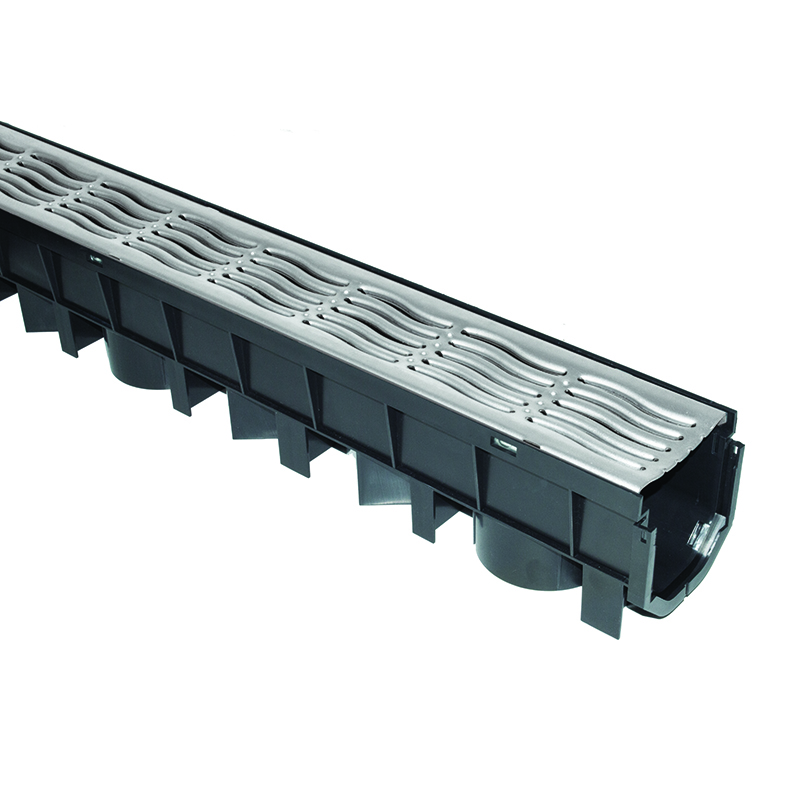
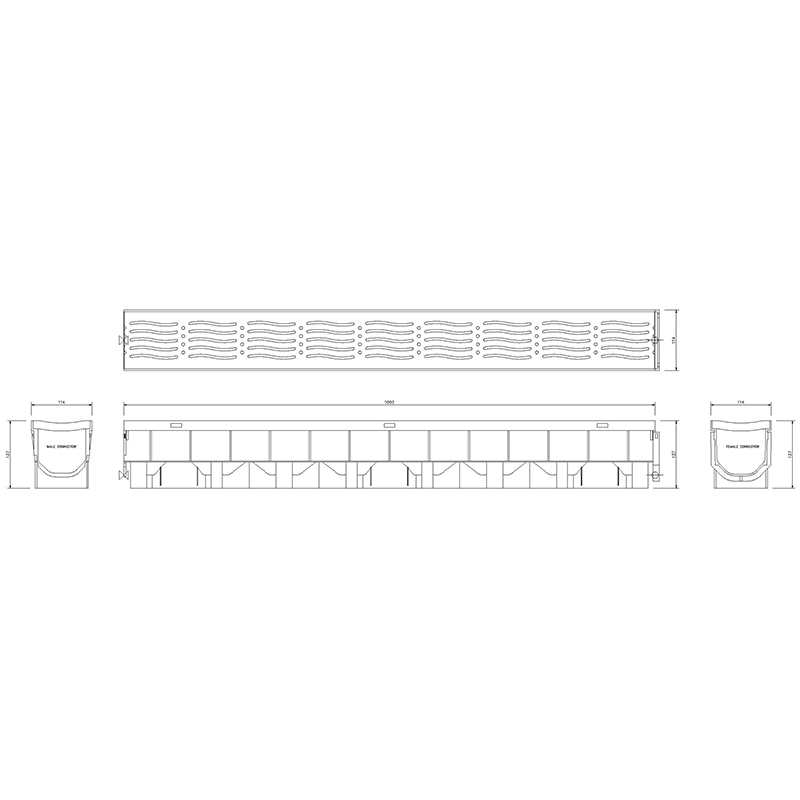
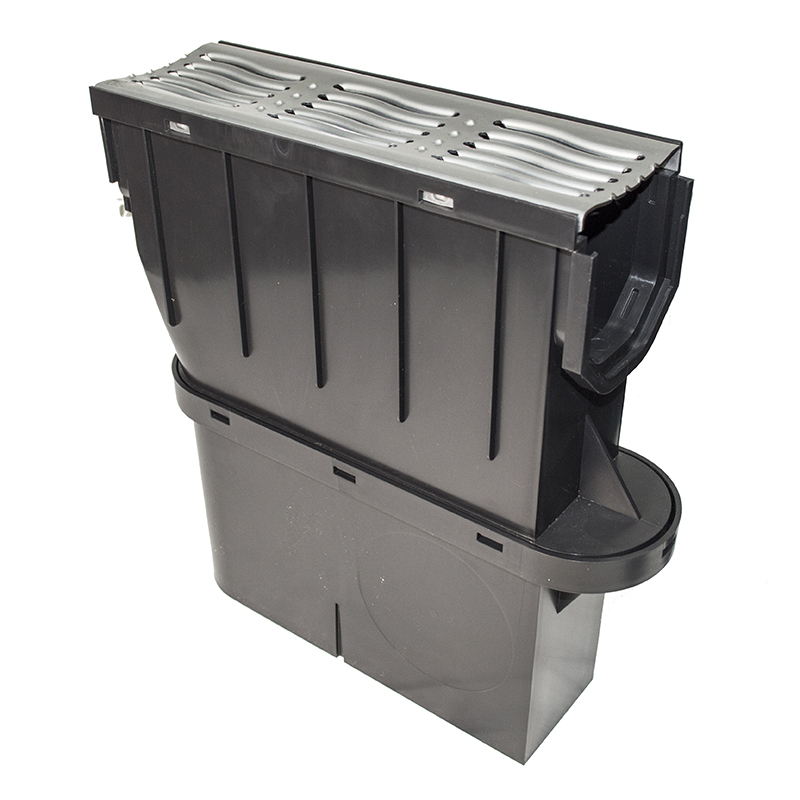
There are three integral bottom outlets in each length of channel drain. If the pipe that you connecting into is at a lower level than the channel drain itself, you should use one of these bottom outlets. Simply cut out the section of base inside the circular outlet and push a piece of 110mm drainage (or the plain end of a single socket bend) straight into the outlet. For peace of mind and a completely permanent joint you can use solvent weld on the joint, although it will be sealed inside the concrete that you set the channel drainage in.
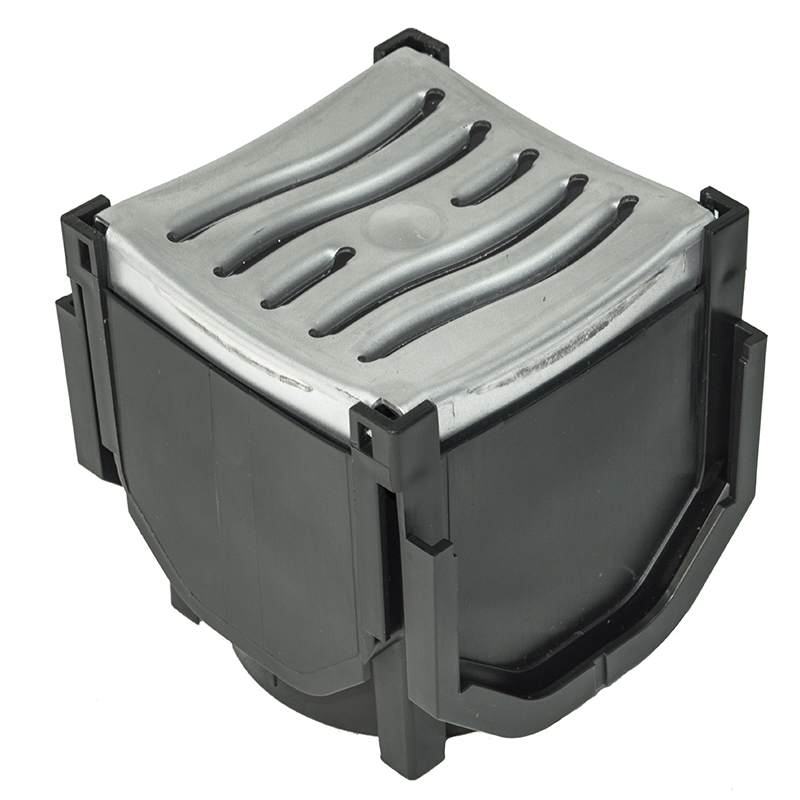
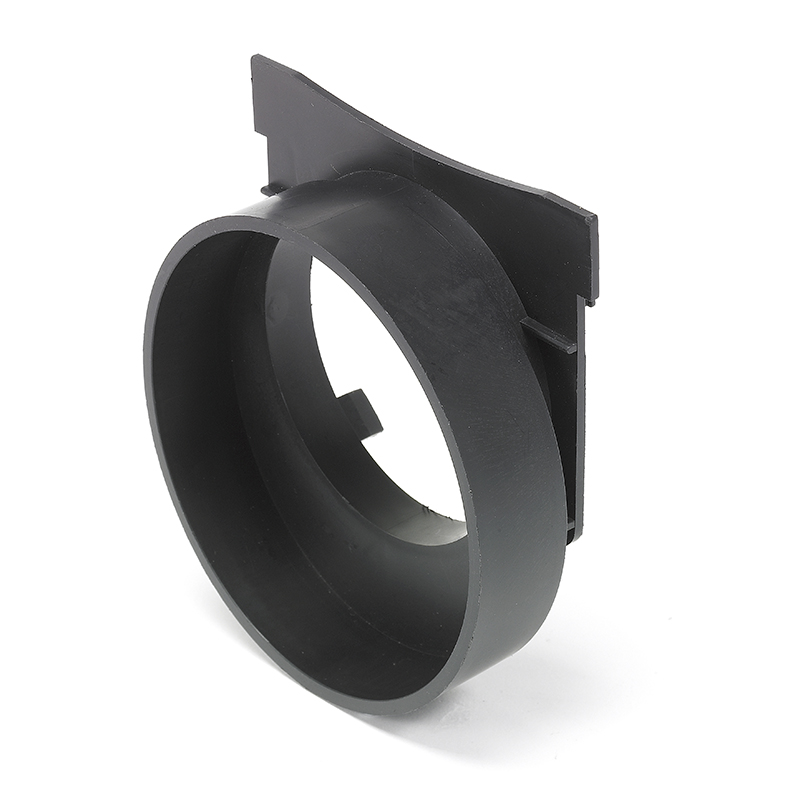
The other way to make the drain connection is to use a D712 end outlet. This is ideal if your main surface water drainage system is located at either end of the run of channel drainage, or if you are running the water away to a soakaway. The End Outlet pushes into the end of any section of the channel drainage, and a 110mm pipe or the plain end of a single socket bend can be pushed straight onto it. There is no need to solvent weld this joint as it will be sealed in the surrounding concrete.
Do channel drains have a built in slope or fall
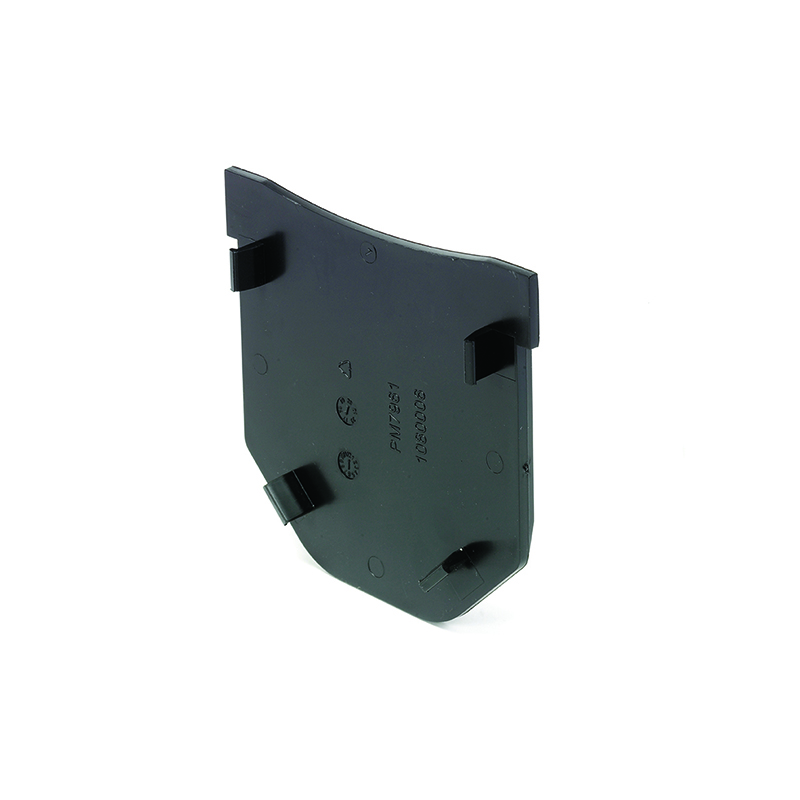
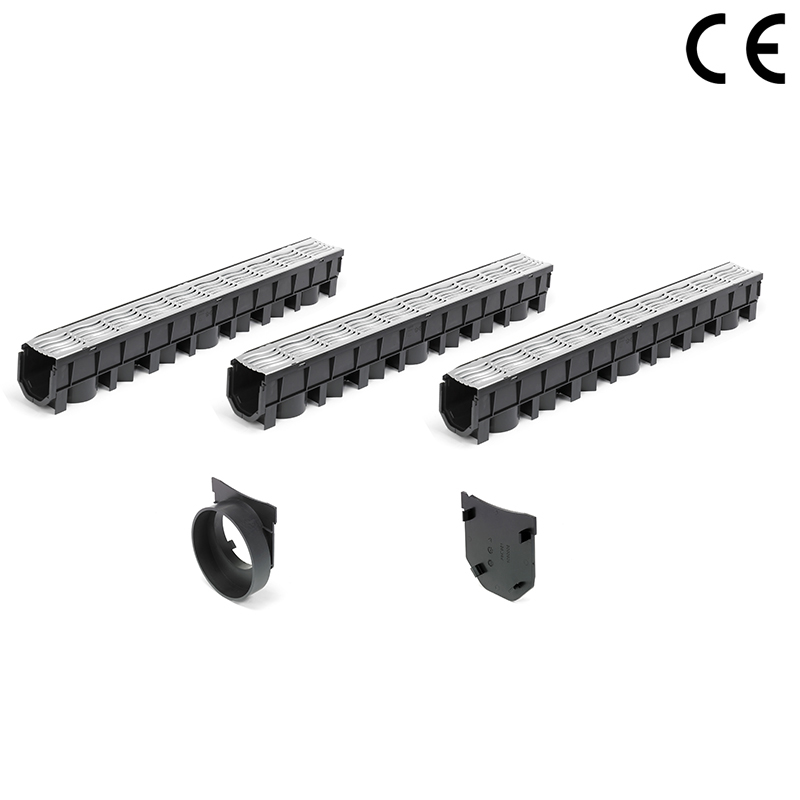
Domestic Channel Drains do not have a built in fall, they are made level. For domestic channel drainage though you should create a fall of 1 in 200, which equates to 5mm over a 1m length of channel. Most people using channel drain around their homes tend to use it on a driveway, often in front of a garage. Our garage packs are put together with this purpose in mind, and contain 3 x 1m lengths plus an outlet and a blank end. When using channel drain in front of a standard 3m wide single garage you would need to create a fall of approximately 15mm towards the outlet, assuming the outlet is at one end.