Prices Incl. VAT
Yes
No


SKU: 120480
Brand: Soudal
Trusted Manufacturer: Made by Soudal, the world’s leading experts in silicone and sealant technology.
Easy to Apply: Smooth application for fast, clean, and professional results.
Permanent Colour: UV-resistant formula ensures long-lasting colour stability without fading.
Flexible Performance: Low modulus silicone stays permanently elastic after curing, ideal for movement joints.
Wide Compatibility: Suitable for use on most common building materials.
Enhanced Flexibility: Low modulus formulation provides greater movement accommodation and durability.
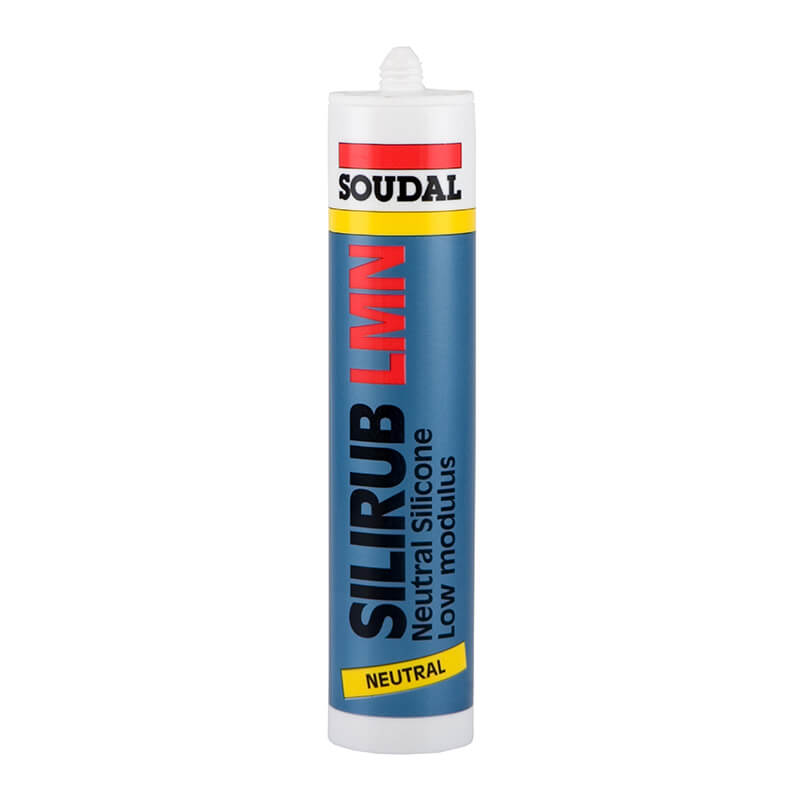
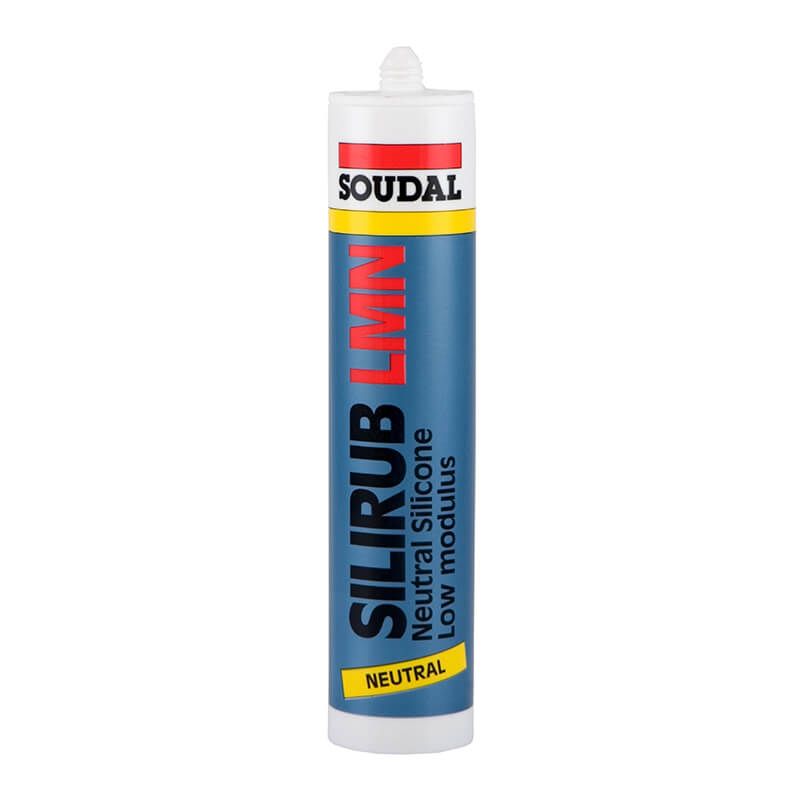
Soudal Silirub LMN Caramel Silicone – 300ml
Soudal Silirub LMN Caramel Silicone is a high-quality, neutral-cure silicone sealant designed for professional sealing and bonding applications. Ideal for use around uPVC windows, doors, rooflines, conservatories, and glazing, it delivers a durable, flexible seal with a refined Caramel finish.
Formulated to remain permanently elastic, Silirub LMN accommodates natural expansion and contraction, ensuring long-lasting performance both indoors and outdoors. Its neutral-curing, low-odour composition makes it safe for use on sensitive materials without causing corrosion or staining.
Key Features
Neutral-cure silicone sealant
Permanently elastic for long-term durability
Excellent adhesion to most building materials
Low odour and non-corrosive
Weatherproof, waterproof, and UV-resistant
Suitable for interior and exterior use
300ml cartridge
Finished in Caramel for a clean, professional appearance
Exceptional Adhesion & Compatibility
Silirub LMN adheres strongly to a wide range of substrates, including:
Glass
Aluminium and other metals
uPVC and plastics
Wood
Ceramics
Its reliable bonding performance ensures a secure, professional seal that maintains integrity over time.
Versatile & Weather-Resistant
Designed to perform in demanding environments, Caramel Silirub LMN is suitable for:
Window and door perimeter sealing
Roofline and conservatory installations
Internal sanitary sealing
External joints exposed to weather and UV
Its resistance to moisture and UV exposure ensures a consistent finish that won’t crack, shrink, or discolour.
Ideal For
Professional installers and contractors
Home improvement and renovation projects
uPVC, glazing, and exterior sealing applications
1. Can I paint over silicone sealant?
No, paint will not adhere to silicone sealant. If the seal needs to be painted, we recommend using a hybrid polymer sealant, such as a paintable flexible adhesive/sealant, which is specifically designed to accept paint once cured.
2. Can silicone be used on natural stone such as marble?
Standard silicone sealants contain silicone oils that can penetrate porous natural stone, causing a permanent dark outline known as edge-of-seal contamination. This staining cannot be removed. For natural stone applications, always use a specialist natural stone silicone, which is formulated to prevent this issue.
3. How can I remove spilled sealant?
If the sealant has not yet cured and is on a non-porous surface, it can be removed using specialist wipes, a dry cloth, or white spirit. Porous surfaces are very difficult—or impossible—to clean, and even uncured silicone may leave a stain. We strongly recommend using masking tape on porous materials and removing the tape immediately after tooling, before skin formation occurs.
4. How should sealants be stored?
Sealants should be stored in a cool, dry place at temperatures between 5°C and 25°C. Once opened, reseal the nozzle as tightly as possible to prevent moisture entering, as exposure to humidity can cause the sealant to cure inside the nozzle or cartridge.
5. Why is mould appearing even though I used an anti-mould silicone?
Anti-mould additives help protect sealants in bathrooms and kitchens, but they are not maintenance-free. Poor ventilation or soap and residue build-up can reduce effectiveness and allow mould to grow on surface deposits. Regular cleaning and good ventilation are essential, even when using high-performance anti-mould sealants.
6. Under what conditions should sealants be applied?
Surfaces must be clean, dry, and free from dust and grease. Some surfaces may require a primer. The ambient and substrate temperature must be above +5°C. Never apply sealant to frozen surfaces or during rain, as this will severely affect adhesion.
7. What are the correct dimensions for a sealant joint?
Sealant joints should be at least 6mm wide and no more than 20mm wide. Joint depth depends on width:
Up to 12mm width → 6mm depth
Above 12mm width → depth should be half the joint width
8. What is the difference between sealants and adhesives?
Adhesives are designed primarily to bond materials together and may not remain elastic. Sealants both seal and accommodate movement between substrates, but typically form a weaker bond. Hybrid products combine both properties, offering strong adhesion along with flexibility and sealing performance.
 Lead Time:
In Stock
Lead Time:
In Stock
 Est Delivery:
1-2 Working Days
Est Delivery:
1-2 Working Days
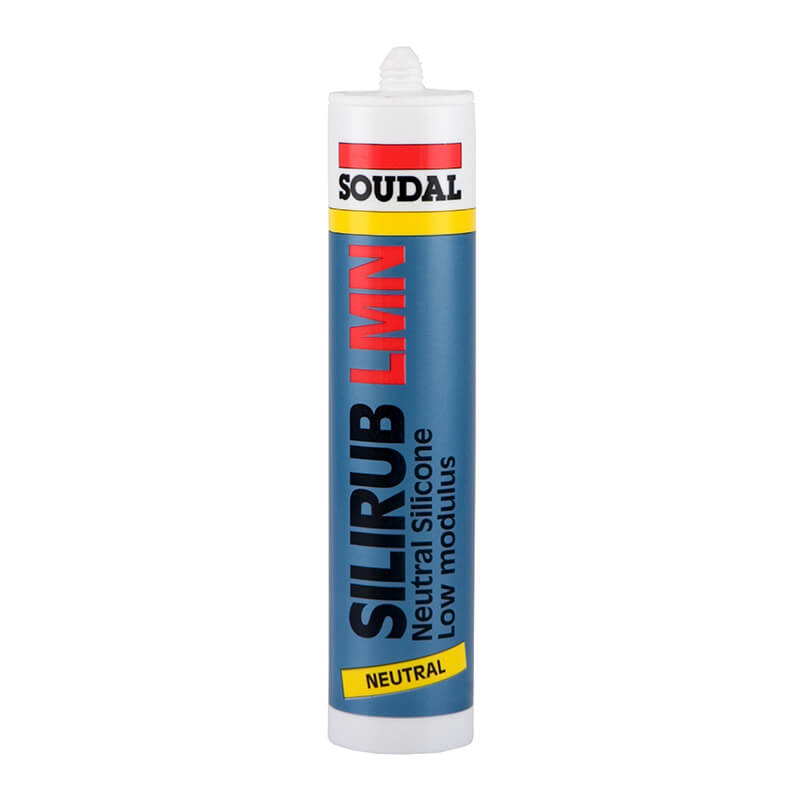
Soudal Silirub LMN Clear Silicone 300ml
Lead Time - In Stock
Soudal Silirub LMN Brilliant White Silicone 300ml
Lead Time - In Stock
Need to see it before you buy? We offer samples of our uPVC building products to help you choose the perfect fit. Simply get in touch through our contact page, and we’ll be happy to assist!

We use cookies on this site to enhance your user experience. For a complete overview of all cookies used, please see our Privacy Policy